Advertisement
Click to download now, finish the installation quickly, and directly unlock the "all-round experience"
Advertisement
Screenshots
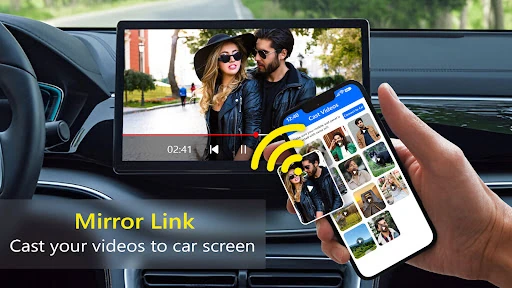
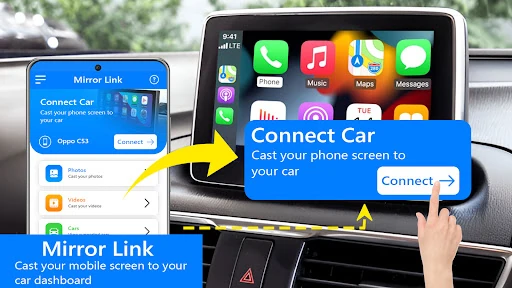
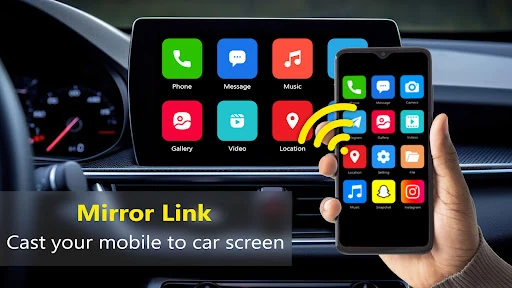
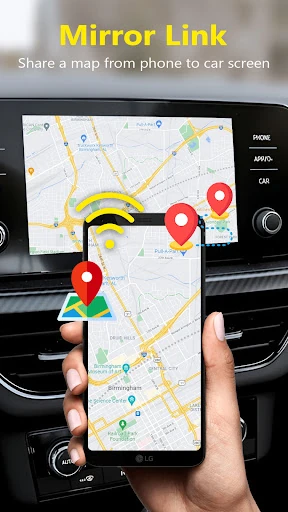
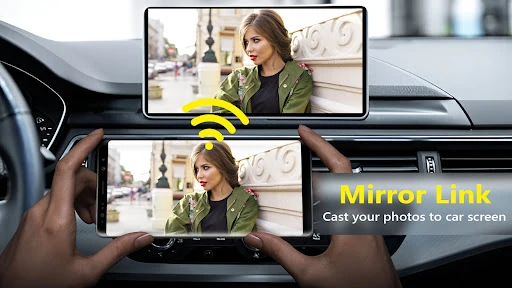
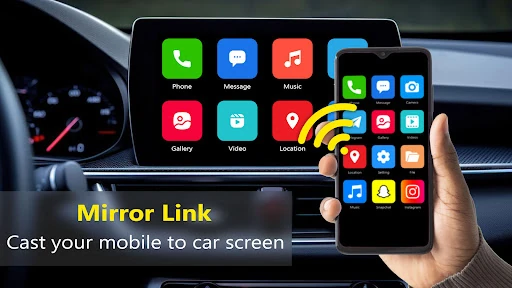
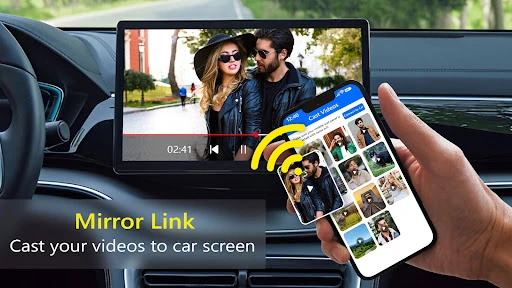
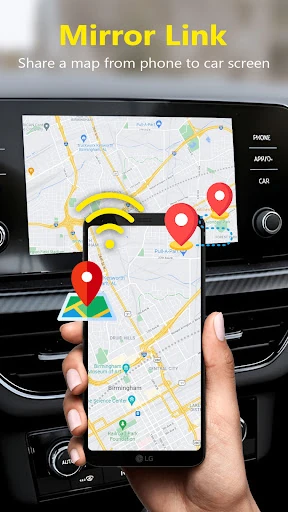
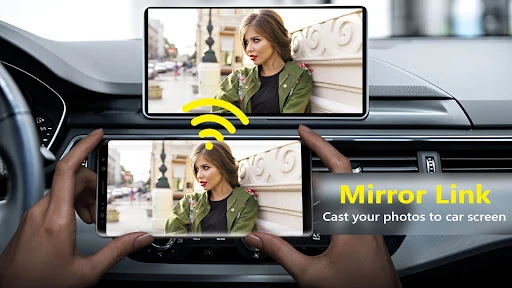
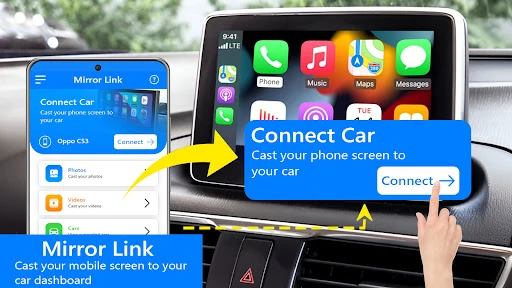
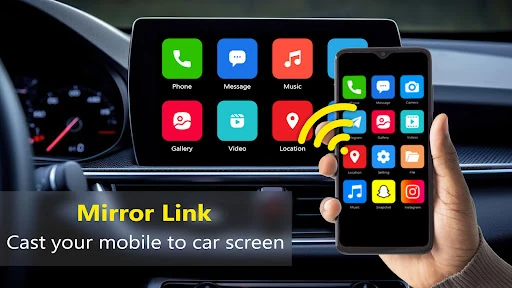
Click to download now, finish the installation quickly, and directly unlock the "all-round experience"
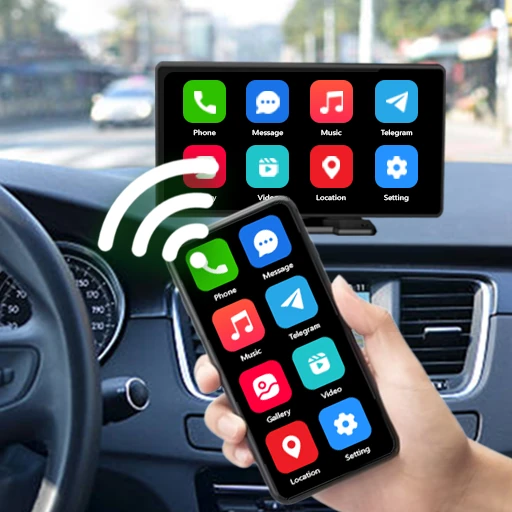
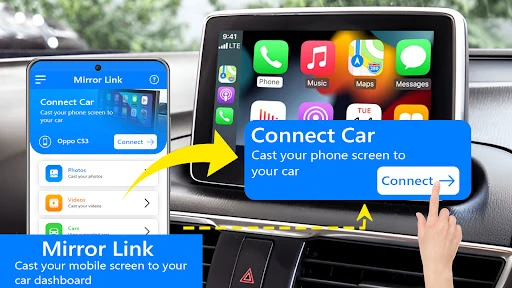
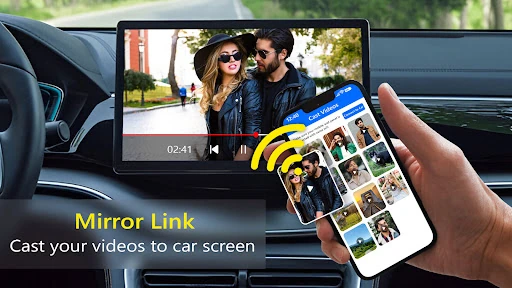
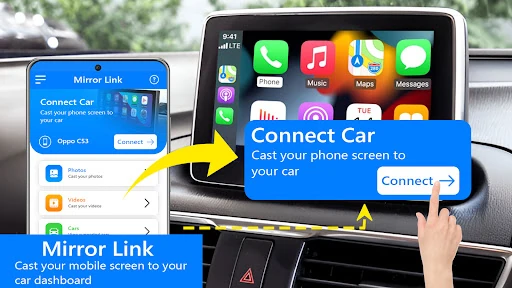
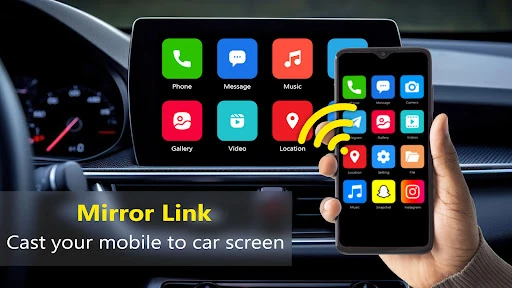
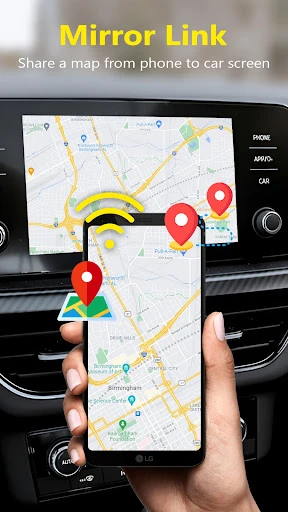
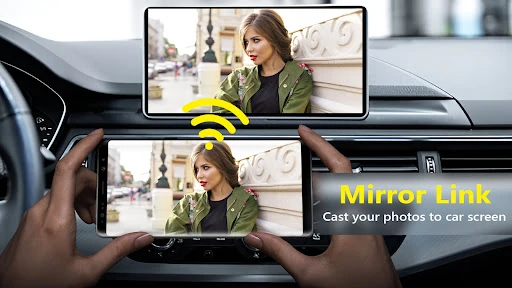
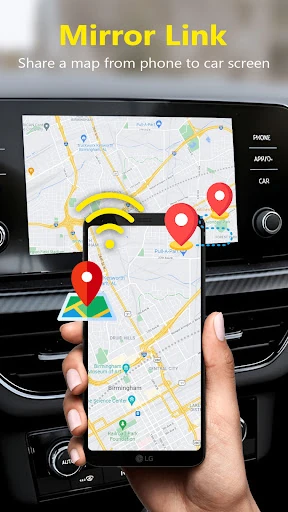
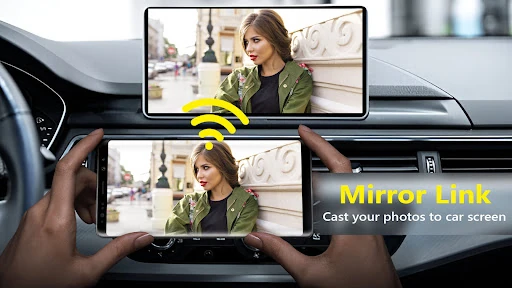
Mirror Link App for Car serves as a specialized bridge within the Libraries & Demo category, designed to modernize the interaction between smartphones and vehicle infotainment systems. By leveraging wireless protocols like Miracast and PhoneLink, this application addresses the common frustration of cable clutter and proprietary software limitations. It positions itself as a versatile utility that transforms a standard dashboard into a smart, connected hub, providing an essential demo of how seamless mobile-to-car integration should function in a wireless-first ecosystem. Our analysis suggests it is a high-utility tool for users seeking to extend their mobile environment into the automotive space without the constraints of physical tethering.
The user interface is built around a streamlined four-step logic, which is critical for the Libraries & Demo category where utility and speed are paramount. The design prioritizes high-contrast elements and a straightforward "Connect Car" central action to minimize cognitive load, which is essential for automotive environments. While the app functions primarily as a gateway to external protocols, the UX succeeds by providing clear instructions for Miracast activation. As is standard for high-tier demo apps, the interface avoids unnecessary bloat, focusing instead on the successful handshake between the mobile device and the car's head unit.
To further refine the experience, a built-in "Compatibility Checker" would be a significant addition, allowing users to verify their hardware capabilities before beginning the setup process. Furthermore, the inclusion of an optimized "Driving Mode" UI—featuring larger icons for navigation and music—would enhance safety by making the mirrored apps easier to interact with while the vehicle is in motion. Lastly, adding an offline troubleshooting guide for common Miracast connection errors would greatly improve user retention.
Mirror Link App for Car is specifically designed for tech-conscious drivers and daily commuters who want to maximize their vehicle's infotainment potential without being tethered to a USB port. It is an excellent fit for users with Miracast-compatible dashboards who find standard OEM software too restrictive. Overall, it is a highly recommended utility for anyone looking to transform their car's display into a fully functional extension of their smartphone, provided their hardware meets the necessary wireless display standards.