Advertisement
Click to download now, finish the installation quickly, and directly unlock the "all-round experience"
Advertisement
Screenshots
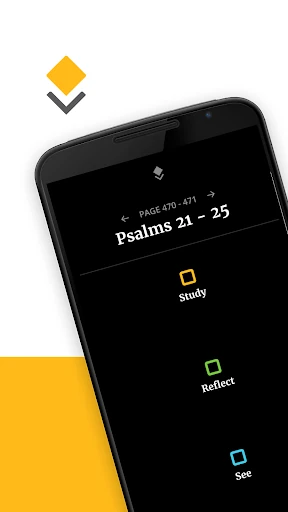
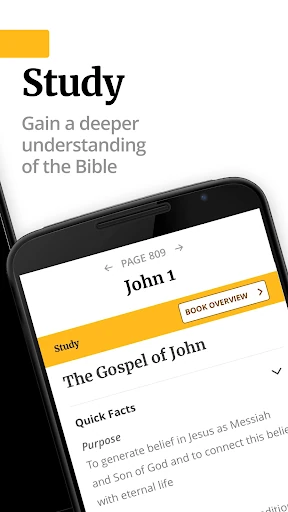
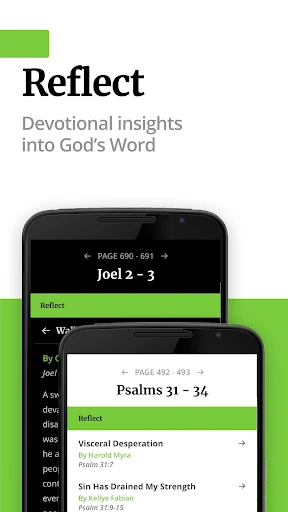

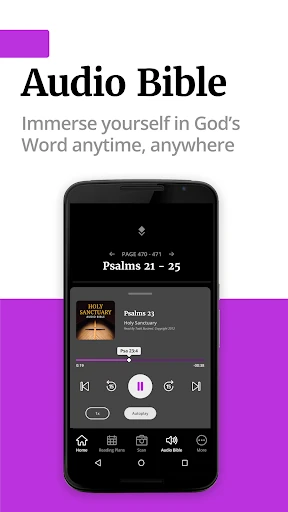
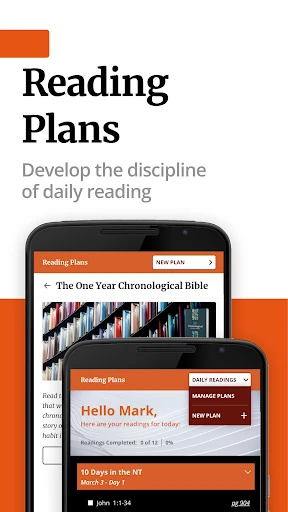
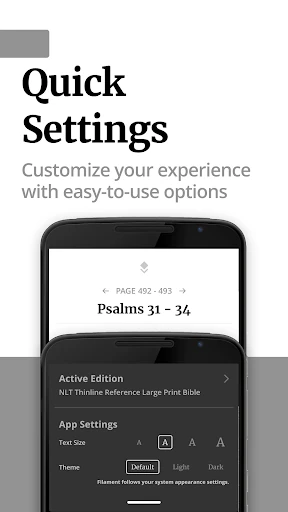
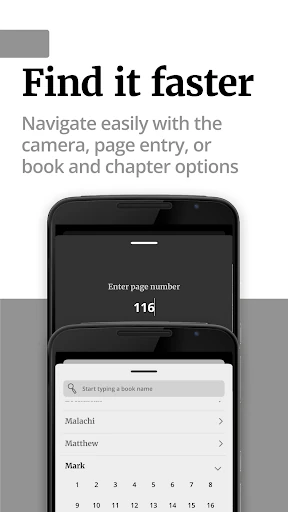
Click to download now, finish the installation quickly, and directly unlock the "all-round experience"
The Filament Bible app represents a sophisticated bridge between traditional print media and modern digital convenience, carving out a unique "phygital" niche within the Books & Reference landscape. Unlike standard e-readers or standalone Bible apps that seek to replace the physical book, Filament acts as a high-tech companion. By leveraging image recognition technology, it transforms a standard reading experience into a multi-layered educational journey. As an analyst, I find this approach refreshing; it respects the tactile preference of traditional readers while solving the "clutter problem" of heavy study Bibles by offloading maps, videos, and commentaries to the smartphone.
The UI design of Filament Bible is intentionally minimalist and utility-focused. Since the app is meant to be used alongside a physical book, the interface avoids unnecessary visual noise that might distract the reader. The camera interface is responsive and the transition from scanning to content delivery is impressively low-friction. In terms of UX, the app adheres to modern Books & Reference standards by offering clean typography and intuitive navigation, ensuring that the "secondary screen" experience feels like a natural extension of the primary reading material.
While the app excels at its core mission, the next logical step would be the inclusion of an "Offline Mode" for media content, allowing users to download videos or maps for study in areas without internet access. Additionally, implementing a basic OCR (Optical Character Recognition) feature for non-Filament Bibles—even if restricted to basic study notes—would broaden the app's appeal to a wider audience within the category.
Filament Bible is an essential tool for the modern student of theology and the daily reader who cherishes the feel of paper but craves the depth of digital research. It is specifically designed for those who find full-digital reading distracting but want the benefits of a modern study suite. This app is highly recommended for anyone owning a compatible print edition, as it significantly elevates the value of the physical book without compromising the traditional reading experience.