
Advertisement
Click to download now, finish the installation quickly, and directly unlock the "all-round experience"
Advertisement
Screenshots
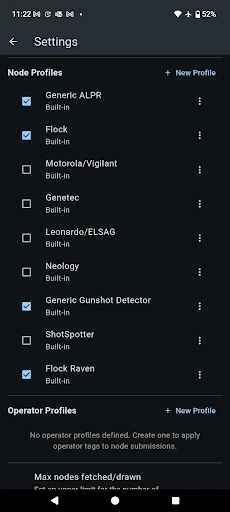
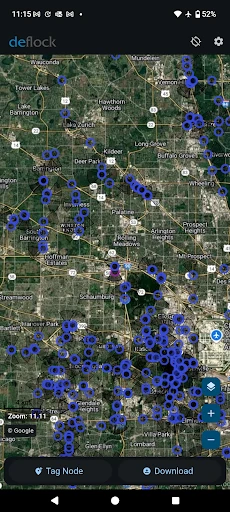
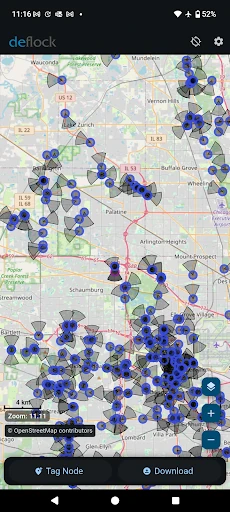
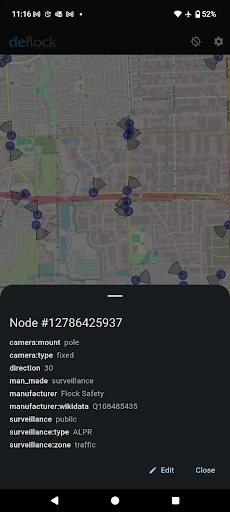
Click to download now, finish the installation quickly, and directly unlock the "all-round experience"
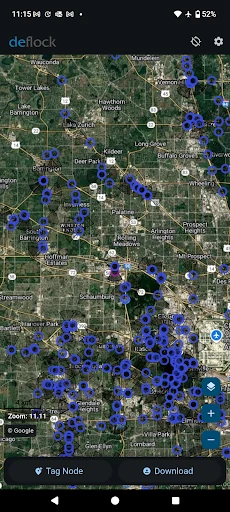
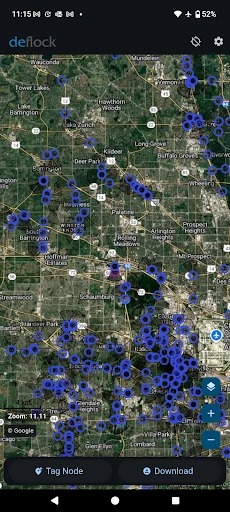
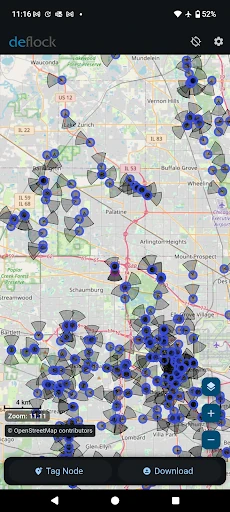
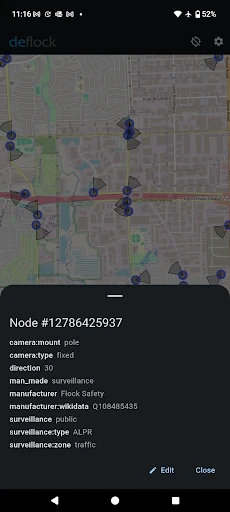
DeFlock.me represents a significant pivot in the Maps & Navigation category, moving away from traditional turn-by-turn routing toward a specialized paradigm of "surveillance awareness." In an era where Automated License Plate Readers (ALPRs) and AI-driven monitoring are becoming ubiquitous yet remain largely invisible to the public, DeFlock.me serves as a vital transparency layer. By leveraging the power of OpenStreetMap and community crowdsourcing, the app empowers citizens to map the digital panopticon in real-time. It is a professional-grade tool for privacy advocates that prioritizes ethical data handling over monetization, setting a high bar for civil-liberties-focused software.
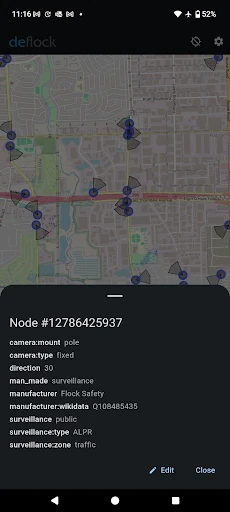
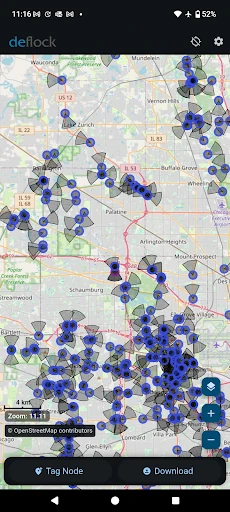
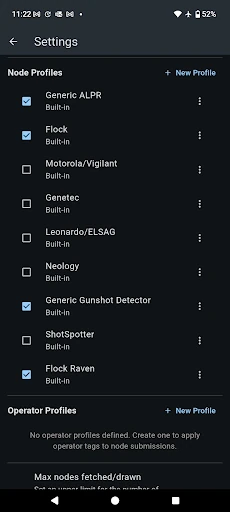
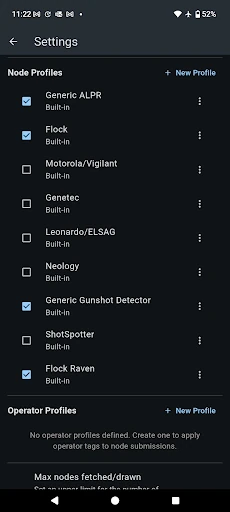
In the Maps & Navigation landscape, efficiency and clarity are paramount. DeFlock.me adopts a utilitarian design language that favors quick information retrieval over aesthetic excess. The UI is built to facilitate rapid reporting, which is essential for mobile users who may encounter devices while in transit. The map markers are distinct, allowing users to differentiate between various types of surveillance at a glance. While it lacks the polished animations of mainstream navigation apps, its focus on low-latency performance and privacy-first UX aligns perfectly with its mission-critical nature for privacy activists.
To further enhance the utility of DeFlock.me, the developers could integrate an educational "Field Guide" within the app to help users visually identify different types of surveillance hardware. Furthermore, implementing a reputation or verification system for reports could help filter out accidental false positives. Adding offline map support would also be a significant upgrade for users documenting hardware in areas with poor cellular reception or those wishing to remain entirely disconnected from mobile networks while mapping.
DeFlock.me is a must-have tool for privacy-conscious citizens, urban researchers, and civil liberties activists. It successfully transforms the smartphone into a counter-surveillance instrument, providing a much-needed check on the expansion of AI monitoring in public spaces. While its effectiveness is currently tied to the size of its active user base, its ethical stance and niche utility make it a standout recommendation for anyone concerned about the intersection of technology and personal privacy.