
Advertisement
Click to download now, finish the installation quickly, and directly unlock the "all-round experience"
Advertisement
Screenshots
Click to download now, finish the installation quickly, and directly unlock the "all-round experience"
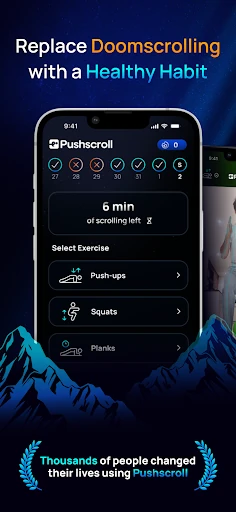
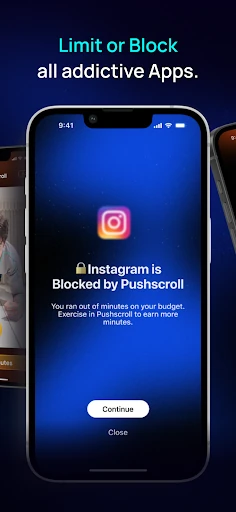
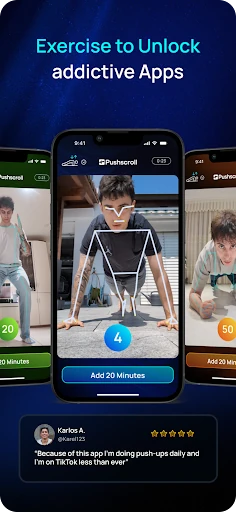
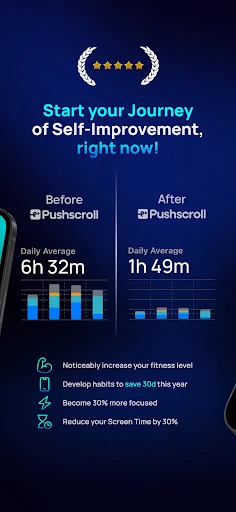
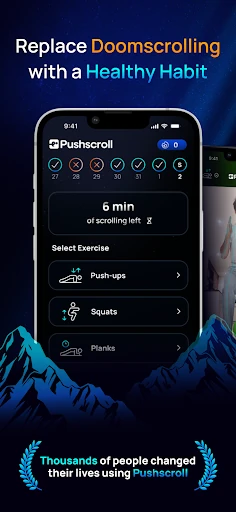
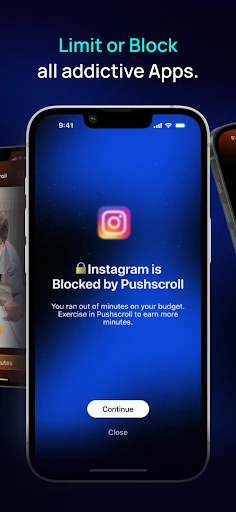
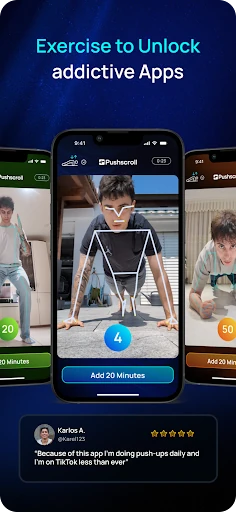
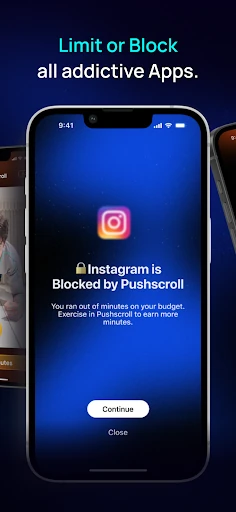
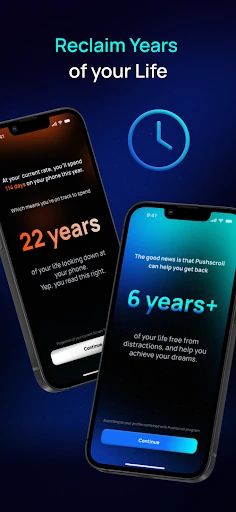
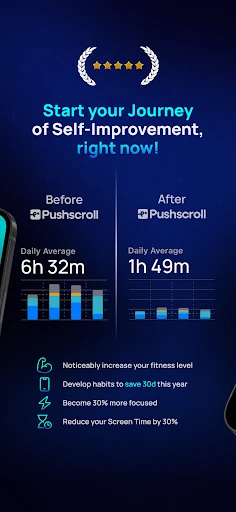
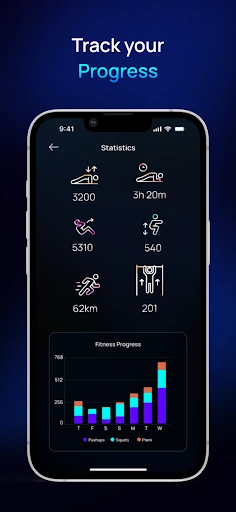
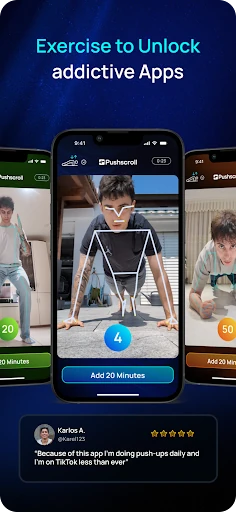
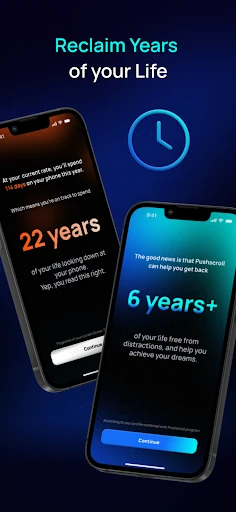
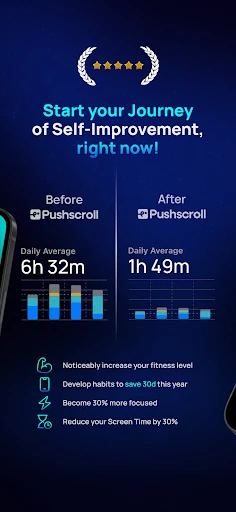
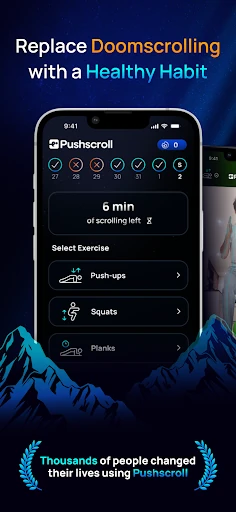
Pushscroll: Screen-Time Gym represents a paradigm shift in the digital wellness space by merging the Health & Fitness category with productivity-focused screen management. Unlike traditional blockers that rely on easily bypassed timers, Pushscroll introduces a "Proof of Work" mechanism for leisure time. By requiring physical exertion—specifically pushups—to unlock social media access, it effectively utilizes temptation bundling to improve both physical health and mental focus. It is an authoritative solution for those trapped in high-dopamine feedback loops, providing a tangible friction point that forces users to reconsider their digital consumption habits through a professional and highly effective interface.
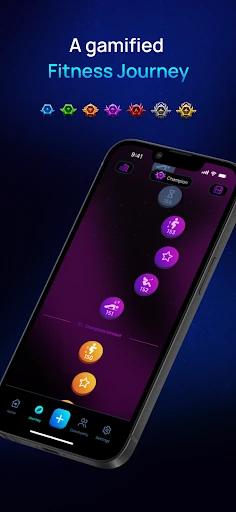
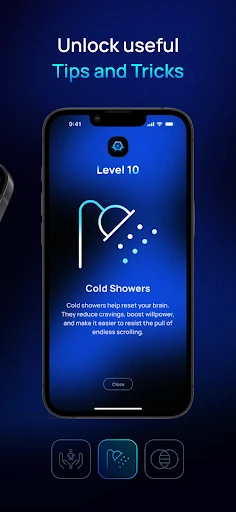
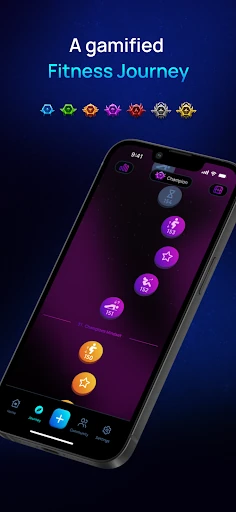
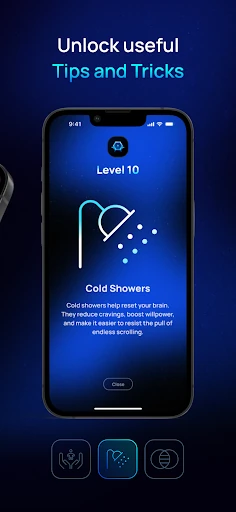
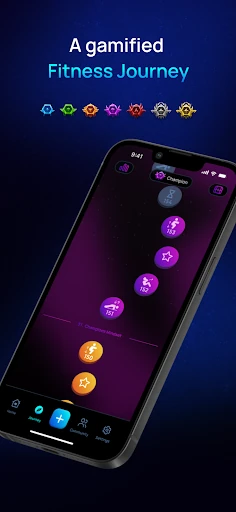
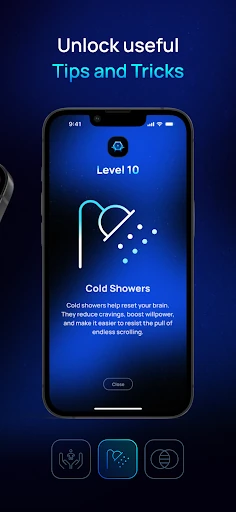
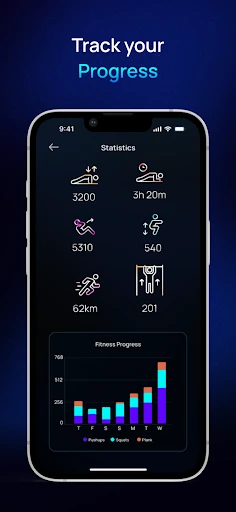
The UI of Pushscroll is built around the "Screen-Time Gym" concept, emphasizing high-contrast visuals and clear progress indicators expected of top-tier Health & Fitness applications. The UX is intentionally designed to introduce "healthy friction"—it makes it harder to access distractions while making the exercise transition as seamless as possible through automated rep tracking. The interface remains clean and focused, ensuring that the user spends more time moving and less time navigating menus, which is a critical standard for apps aiming to reduce overall screen dependency.
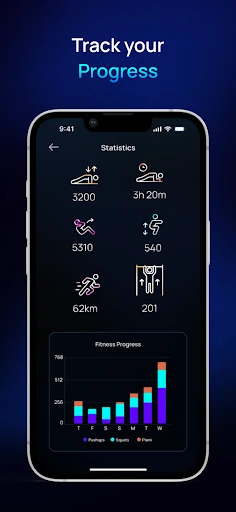
To enhance the user experience in future iterations, the developers should prioritize the inclusion of a broader exercise library, such as squats or planks, to accommodate different fitness levels and physical abilities. Implementing a "Whitelisting" feature for critical productivity apps during "Gym Mode" would prevent the app from accidentally blocking essential tools like Maps or Banking. Additionally, integrating Apple Health or Google Fit would allow for a more holistic view of the user’s fitness progress alongside their screen-time reduction.
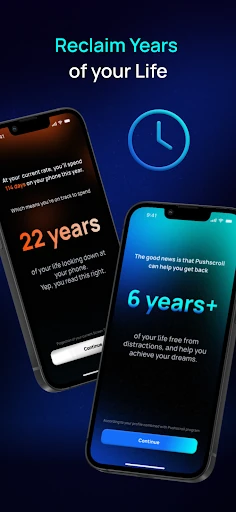
Pushscroll: Screen-Time Gym is a must-have for students, professionals, and individuals with ADHD who find themselves caught in the "doomscrolling" cycle. It is a powerful intervention tool for anyone seeking to improve their physique while reclaiming lost time. If you lack the willpower to stay off your phone, Pushscroll provides the physical incentive needed to transform your habits. Our final verdict: This is a revolutionary utility that successfully turns the world's most common addiction into a catalyst for personal growth.