Advertisement
Click to download now, finish the installation quickly, and directly unlock the "all-round experience"
Advertisement
Screenshots

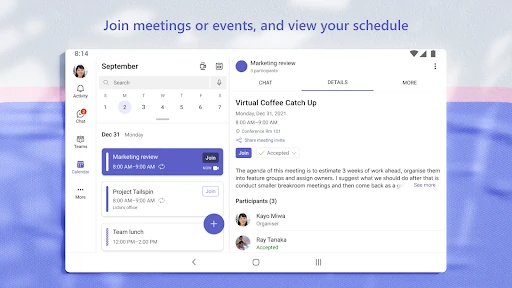
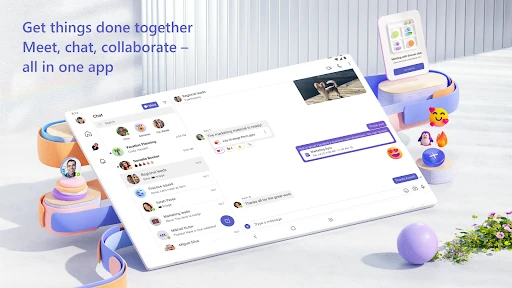
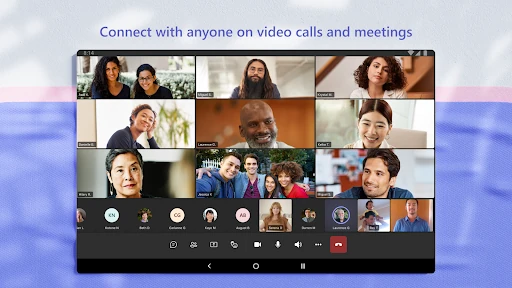
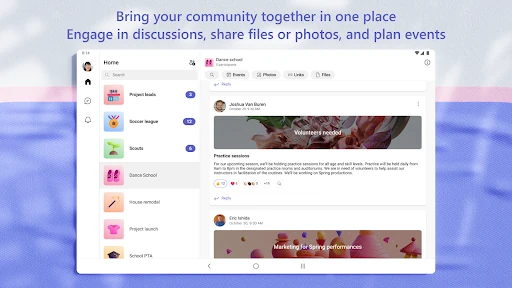


Click to download now, finish the installation quickly, and directly unlock the "all-round experience"
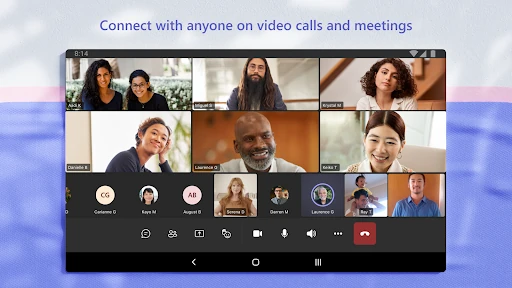
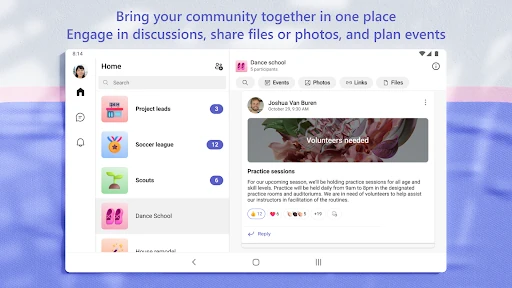
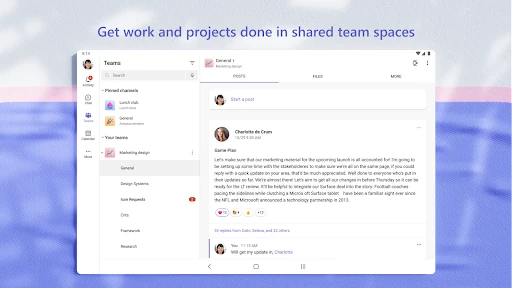
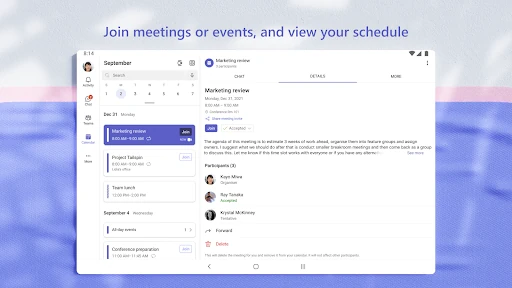
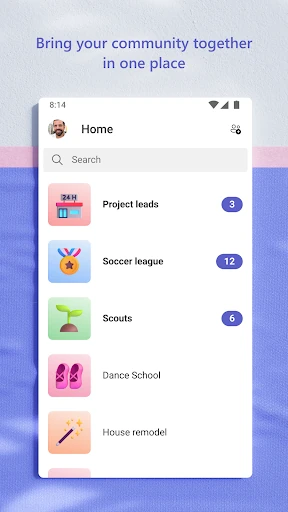
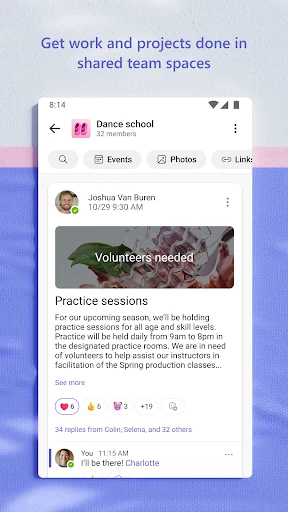
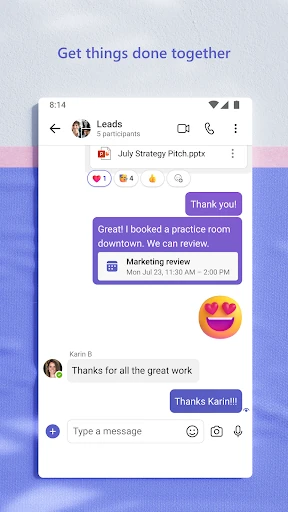
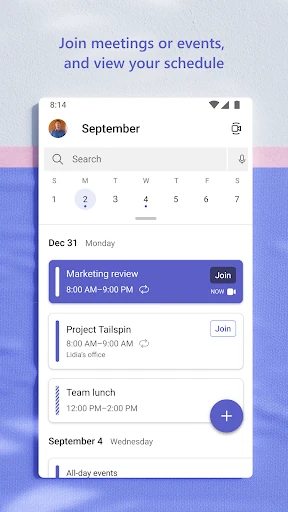
Microsoft Teams stands as the cornerstone of the modern digital workplace, effectively consolidating communication, collaboration, and project management into a single, unified interface. Within the competitive Business landscape, it differentiates itself by moving beyond simple messaging to provide a robust ecosystem where communities, corporate teams, and even personal connections converge. It is a comprehensive productivity hub that eliminates the friction of switching between disparate tools for chat, meetings, and file sharing, making it an essential utility for the hybrid work era.
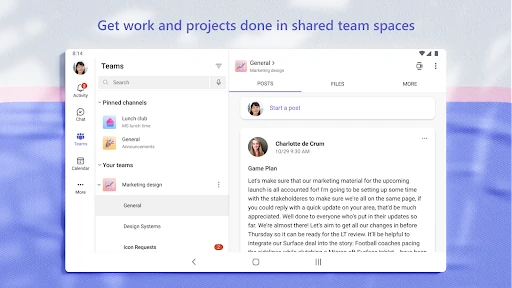
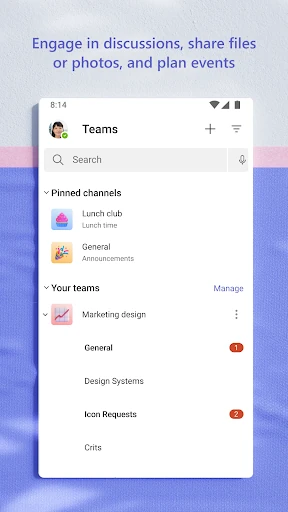
The interface of Microsoft Teams is designed with a "professional-first" philosophy, prioritizing information density and functional accessibility. Following the standards expected of top-tier Business apps, it utilizes a logical bottom-navigation system that allows users to jump between activity feeds, chats, and specialized "Teams" folders. While the UI is clean and modern, the sheer depth of features creates a steeper learning curve than simpler consumer messaging apps. However, for the power user, the UX excels at surfacing relevant notifications and keeping complex workflows organized through a consistent and predictable design language.
Future updates should focus on optimizing the app's performance footprint to ensure a snappier experience on mid-range hardware. Additionally, streamlining the account-switching interface would greatly benefit users who juggle professional roles and community leadership. Refining the search algorithm to better index content across both chat history and file storage would also significantly reduce the time users spend hunting for specific information.
Microsoft Teams is the definitive solution for organizations and individuals who require more than just a chat app. It is best suited for corporate professionals, project managers, and organized communities that need a secure, all-in-one environment to execute complex tasks. If you are already operating within the Microsoft ecosystem, it is a mandatory installation; for others, it represents the most robust and secure collaboration platform currently available on the market.