Advertisement
Click to download now, finish the installation quickly, and directly unlock the "all-round experience"
Advertisement
Screenshots
Click to download now, finish the installation quickly, and directly unlock the "all-round experience"
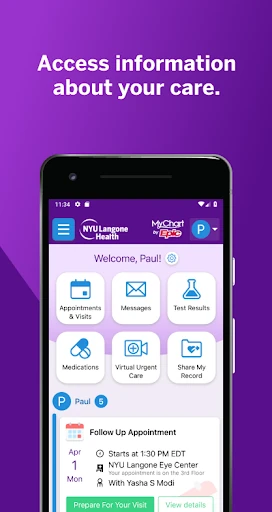
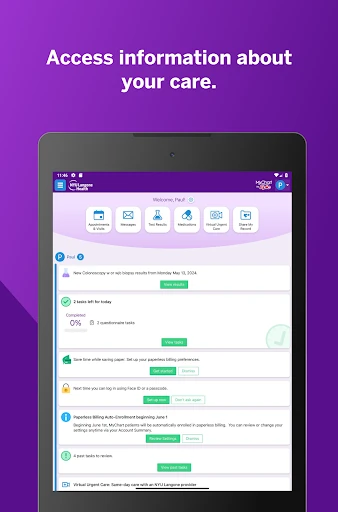
The NYU Langone Health app serves as a sophisticated digital gateway for one of the nation’s premier academic medical centers. By leveraging the robust MyChart framework, the app transforms the traditionally fragmented patient experience into a centralized, mobile-first ecosystem. Within the medical app landscape, it functions as more than just a record-keeping tool; it is a critical instrument for patient agency, facilitating seamless communication and real-time health tracking that bridges the gap between clinical visits and daily life.
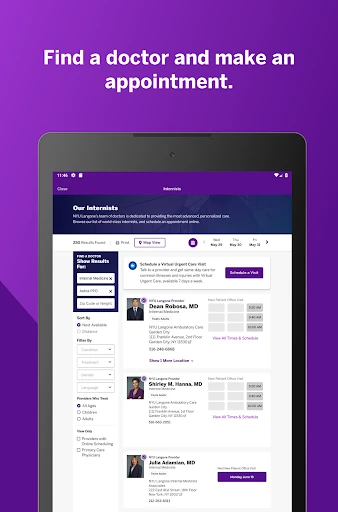
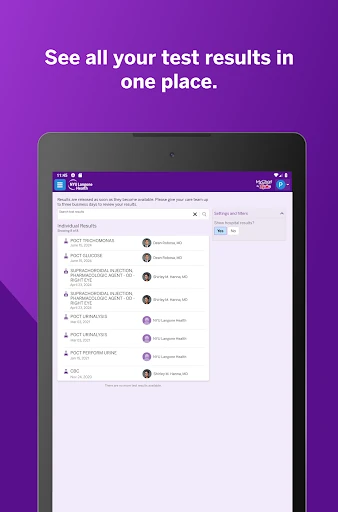
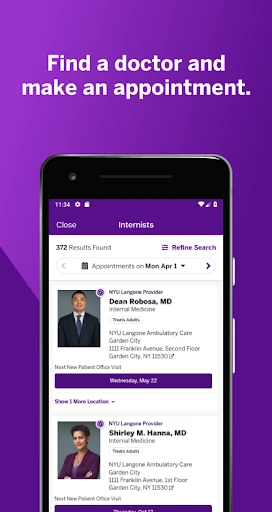
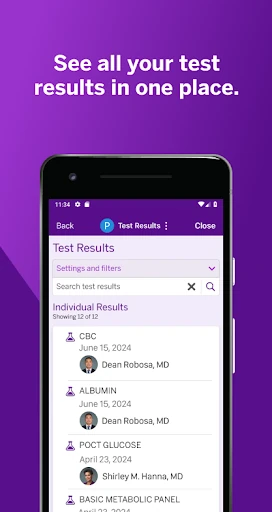
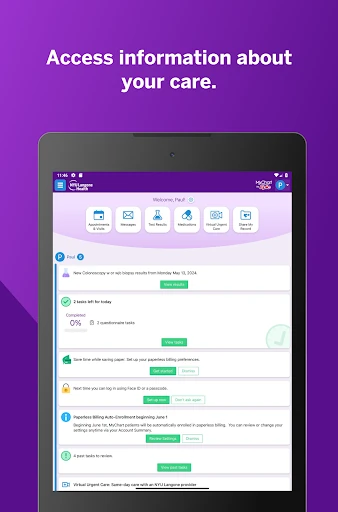
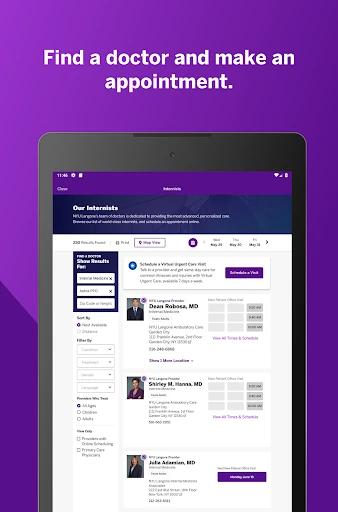
The UI of the NYU Langone Health app prioritizes utility and trust, adhering to the clean, structured design language expected of high-stakes medical software. Navigation is logically organized around the most frequent patient needs—appointments and test results—which minimizes cognitive load for users who may be stressed or in a hurry. While the interface is functional rather than experimental, the integration of system-level health data (Health Connect) provides a high-end UX touch by automating data entry, a major pain point in chronic disease management. The design successfully balances density of information with legibility, essential for its diverse demographic of users.
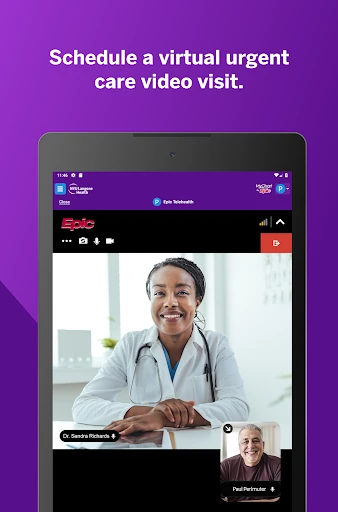
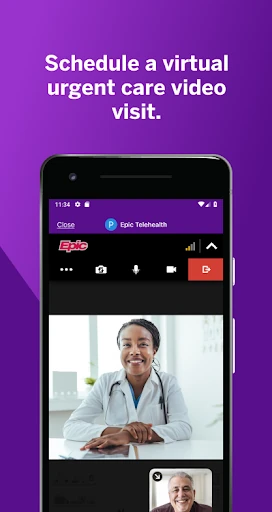
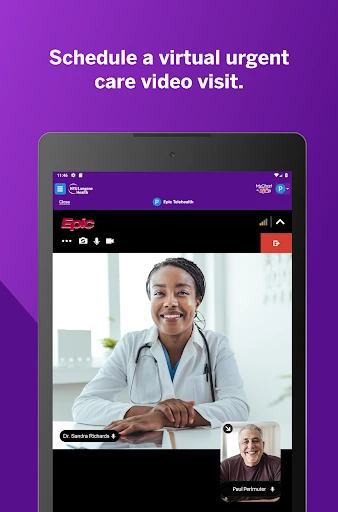
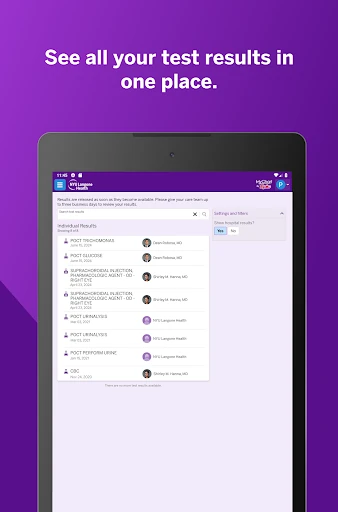
To further elevate the user experience, NYU Langone could integrate a more robust AI-assisted triage system or symptom checker to guide users toward the appropriate care level (e.g., Virtual Visit vs. Urgent Care) before they book an appointment. Additionally, enhancing the "Test Results" section with more visual data trends—such as graphs showing lab values over time—would help patients better visualize their health trajectory without needing to interpret raw data points manually.
The NYU Langone Health app is an indispensable tool for patients within the NYU network, particularly those managing chronic conditions or navigating complex care plans. It is best suited for individuals who value transparency in their medical data and want to take a proactive role in their healthcare journey. While it requires an existing institutional relationship to unlock its full potential, it stands as a benchmark for how modern medical centers should engage their patient populations in the digital age.