
Advertisement
Click to download now, finish the installation quickly, and directly unlock the "all-round experience"
Advertisement
Screenshots


Click to download now, finish the installation quickly, and directly unlock the "all-round experience"
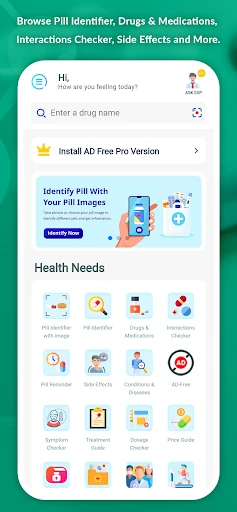
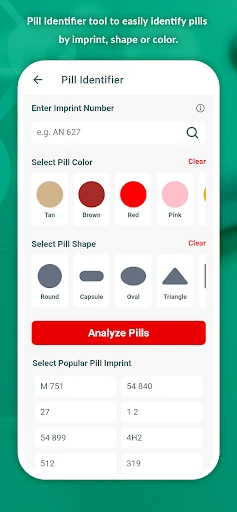
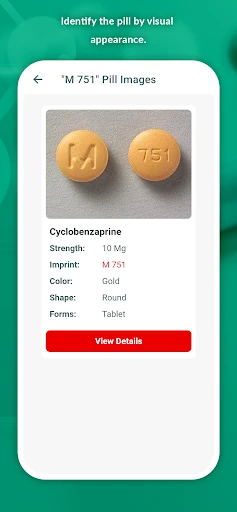
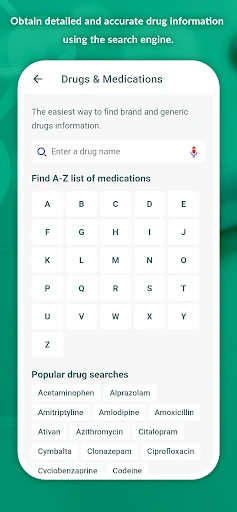
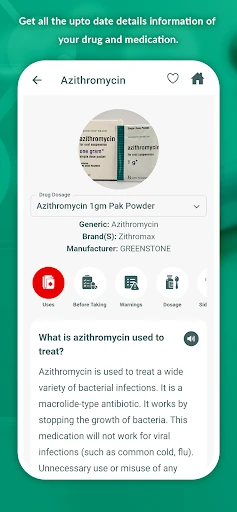
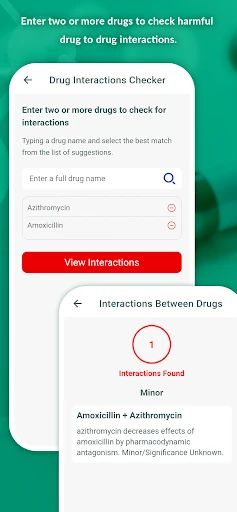
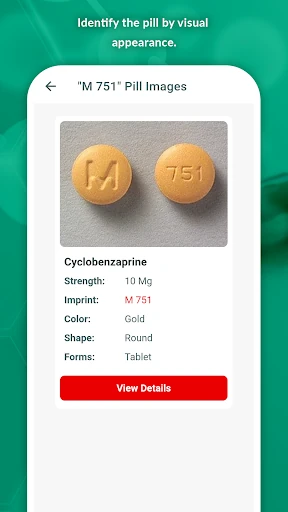
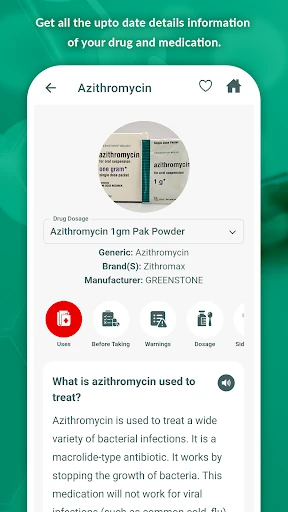
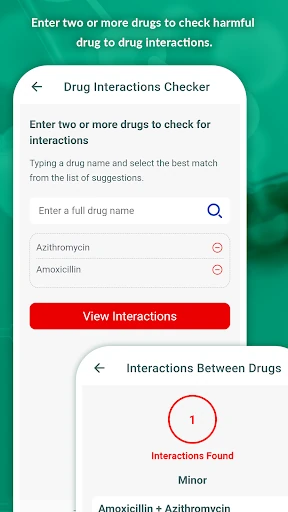
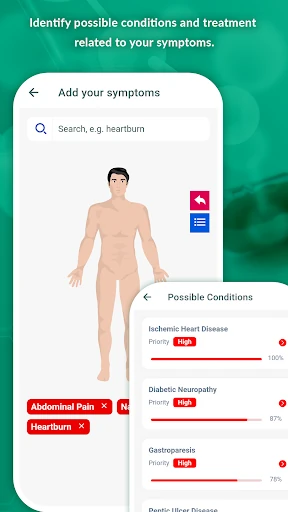
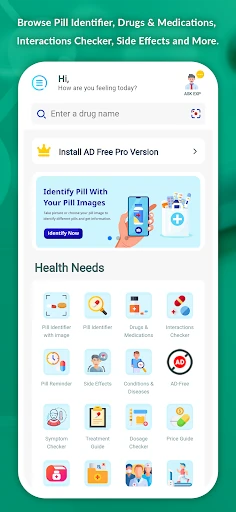
Pill Identifier & Drug Search serves as a multifaceted digital pharmacopeia designed to bridge the gap between patient curiosity and clinical knowledge. Positioned within the competitive Medical category, the app distinguishes itself by offering a centralized hub for medication management, diagnostic tools, and health tracking. It effectively transitions from a simple reference tool to a proactive health assistant, prioritizing safety through drug interaction checks and pill verification. Its authoritative approach to data presentation makes it a high-value utility for both patients and caregivers who require immediate pharmacological clarity.
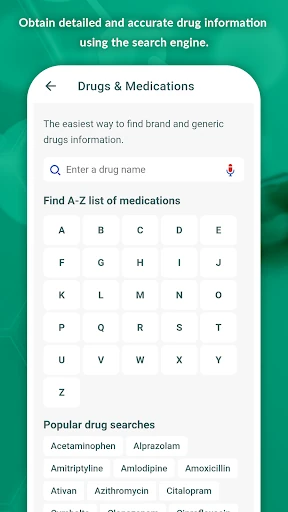
In the medical software space, clarity and speed are paramount. Pill Identifier & Drug Search adopts an intuitive architecture that prioritizes quick-access search bars and clearly labeled utility modules. The UI is designed for high-stress situations—such as identifying a loose pill or checking for interactions—minimizing navigation friction. While the inclusion of various health calculators adds depth, the interface maintains a logical flow that ensures the primary drug search functions remain the focal point. The design language is utilitarian, favoring readability and accessibility over unnecessary aesthetic flourishes.
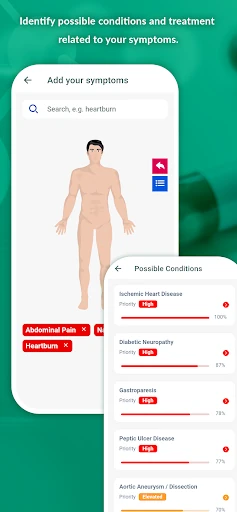
To further elevate the user experience, the developers should consider implementing an offline mode for the core drug database to ensure accessibility in emergencies where connectivity is limited. Additionally, integrating a direct pharmacy price comparison tool with digital coupons could provide immediate financial value to users. Refining the symptom checker with more granular AI-driven prompts would also help bridge the gap between initial concern and the "Search nearby doctors" feature.
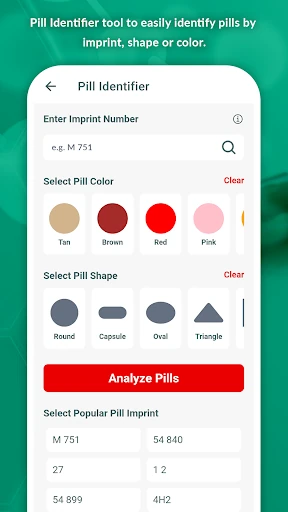
Pill Identifier & Drug Search is an essential tool for chronic patients, caregivers, and health-conscious individuals who require a reliable mobile reference for medication management. Its robust identification features make it a standout utility for home safety and medication organization. We recommend this app for any user managing multiple prescriptions or seeking to understand the pharmacological landscape of their treatments, provided they remain mindful of its role as a supplementary information tool.